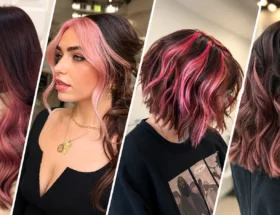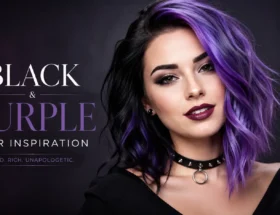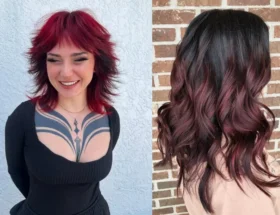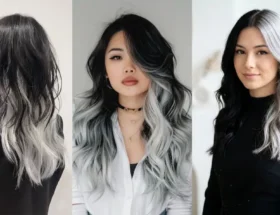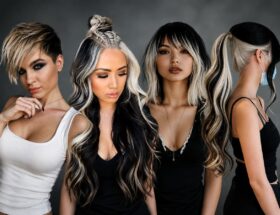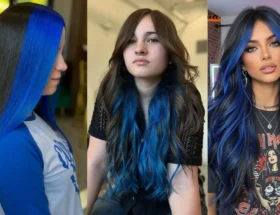
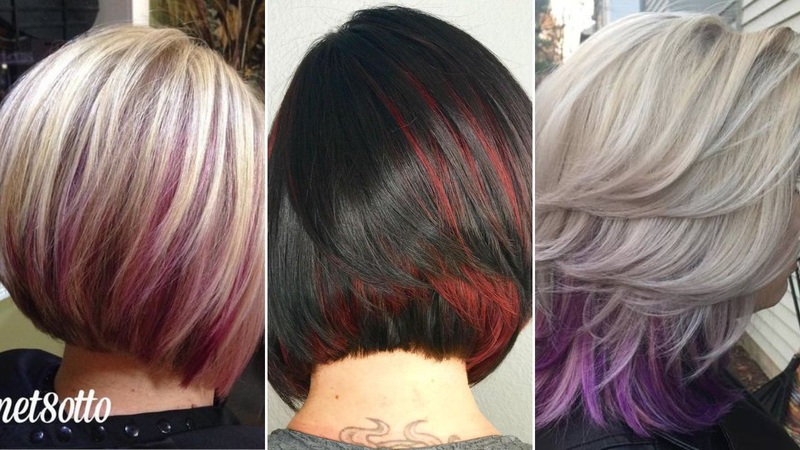
Peekaboo highlights are a stunning, low-maintenance way to wear bold color. The hidden underlayer reveals vibrancy only when your hair moves, giving you the best of both worlds: professional by day and electric by night.
But when they go wrong, you end up with chunky stripes, bleeding color, or highlights that vanish completely. The six common mistakes people make with peekaboo highlights are surprisingly easy to avoid once you know what to watch for. Here is exactly what goes wrong and how to fix each one.
TLDR
The biggest pitfalls with peekaboo highlights are poor placement, clashing color choices, color bleed during application, sections that are too thick, ignoring how you style your hair daily, and skipping specialized aftercare.
Each mistake has a straightforward fix. Place color at the parietal ridge using the halo parting method. Match cool tones to cool bases and warm to warm. Isolate the top layer with tight clips and foils.
Take finer micro-weave sections. Map highlights based on how you wear your hair 80% of the time. Commit to sulfate-free shampoo, cool water, and weekly deep conditioning. Getting peekaboo highlights right is about technique, not luck.
Quick Facts About Peekaboo Highlights
- What they are: Color applied to the underlayer, hidden beneath the top section
- Average cost: $60 to $150 at a salon depending on length and colored panels
- Longevity: 4 to 12 weeks with proper care; vivid colors fade faster
- Touch-up schedule: Every 6 to 8 weeks for root maintenance
- Best hair types: Wavy and curly hair show the peek-through effect most naturally
- Bleach required? Usually yes for vivid colors on dark hair; lighter bases can use high-lift dye
Mistake #1: Placing the Highlights Too High or Too Low
This is the most common placement error and it ruins the entire concept. When highlights sit too close to the crown, they become regular highlights and lose the hidden effect. The color shows through the top layer constantly.
On the flip side, placing color too close to the nape means it only appears when your hair is pulled up completely. For most people wearing hair down, the color is invisible. You paid for something nobody can see.

How to Fix It
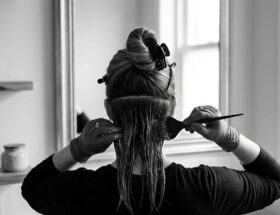
Use the halo or horseshoe parting method. Section the hair by creating a horseshoe-shaped part from temple to temple, following the parietal ridge. This ridge sits roughly at mid-ear level.
Color placed at this level peeks through naturally when hair sways, tucks behind the ear, or lifts in the wind. As L’Oreal Professionnel notes, the technique relies on strategic placement below the visible top layer so color reveals itself with movement.
Mistake #2: Choosing the Wrong Color Contrast
Color contrast makes peekaboo highlights pop. But choosing a shade that clashes with your base tone or skin undertone creates a jarring, unnatural look. Placing icy blue under a warm, brassy brown produces muddy green where the tones overlap.
The same problem happens in reverse. Warm caramel under a cool ash blonde base creates odd warmth that fights the overall tone. The hidden color should complement, not compete.

Blonde hair with pink peekaboo highlights, wavy texture, medium length, hidden color beneath blonde base

How to Fix It
Follow basic color theory. Pair cool base tones with cool peekaboo shades like ash blonde, teal, icy lavender, or platinum. Pair warm bases with warm shades like caramel, rose gold, magenta, or copper.
Also consider your skin undertone. Warm skin pairs well with golden, peachy, or coppery colors. Cool skin benefits from jewel tones like sapphire, emerald, or violet. When in doubt, stay within the same temperature family as your natural hair.
Mistake #3: Bleeding Color onto the Top Layer
This is the classic DIY disaster. When bleaching or dyeing at home, the bleach swells as it processes or vivid color seeps upward onto the top layer. Once that top veil gets stained, the concealed effect is ruined.
The Reddit hair dye community consistently flags color bleeding as the top problem with at-home peekaboo attempts. Bleach expands beyond the foil. Vivid dyes run during the rinse. Both ruin the clean separation between layers.

How to Fix It
Isolation is everything. Clip the top section tightly against the head using sectioning clips, not just a loose ponytail. Apply foils beneath each colored section to create a physical barrier between the dye and the top layer.
During the first rinse, wash the colored underlayer separately. Lean forward and rinse underneath while keeping the top layer pinned up. Let water run only through colored sections until runoff runs clear. This single step prevents most transfer staining.
Mistake #4: Taking Sections That Are Too Thick
Grabbing chunky sections instead of weaving or slicing fine panels is a fast track to the outdated zebra stripe look. Thick sections create blocky, harsh stripes that look unnatural under the top layer. They sit heavily beneath the veil, creating an uneven texture and an obvious chunky reveal.
This mistake is common with DIY kits and beginners who want to make the color show more. But more hair per section does not equal more visibility. It equals a wider, less refined stripe that catches the eye for the wrong reasons.

How to Fix It
Use micro-weaves or fine slices instead of thick chunks. A micro-weave involves taking a thin section and using a tail comb to weave out finer strands within it. This creates scattered, ribbon-like pieces that blend seamlessly.
The goal is a seamless ribbon effect. Fine sections create depth and dimension that thick chunks cannot achieve. As a general rule, each colored panel should be no wider than a quarter inch for the most natural result.
Mistake #5: Forgetting to Consider Everyday Styling
Peekaboo highlights look stunning when hair is down for a photo. But if you wear a high ponytail five days a week, the placement needs to account for that. Highlights placed only at the sides might disappear entirely when your hair is pulled up. Highlights too low in the back create a strange stripe across the nape in a bun.
This happens because placement is planned with hair down on a styling chair, not in the positions you actually wear day to day. The result looks great for ten minutes and disappointing the rest of the week.

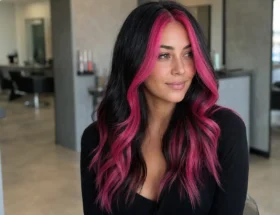
Dark base with vibrant pink peekaboo highlights, wavy bob, textured layers, hidden color beneath outer strands

How to Fix It
Map highlights based on how you wear your hair 80% of the time. High ponytail wearers need color at the nape and sides placed slightly higher. Low bun wearers should distribute color through the mid-back sections.
Tell your stylist about your daily style before the appointment. A good colorist adjusts the placement grid to match your real habits, not just the reference photo. The best peekaboo highlights work with your lifestyle, not against it.
Mistake #6: Neglecting Specialized Aftercare
Peekaboo highlights frequently use vivid fashion colors like pink, blue, or purple. These shades are notorious for fading after just a few washes. The bleached underlayer also becomes brittle without proper moisture.
Standard shampoo accelerates the problem. Sulfates strip color molecules from the shaft. Hot water opens the cuticle and lets dye bleed out faster. Your $60 to $150 salon investment vanishes quickly without the right routine.

How to Fix It
Switch to a sulfate-free, color-safe shampoo immediately. Wash in cool or lukewarm water to keep the cuticle closed. Limit washing to two or three times per week. According to Stemsontx, reducing wash frequency and using cool water extend the life of vivid color.
Add a weekly deep-conditioning mask to restore moisture to the bleached underlayer. Look for keratin or bond-building ingredients. A color-depositing conditioner matched to your shade refreshes tone between visits. Protect from UV with a hair serum and always wear a swim cap in chlorinated water.

Frequently Asked Questions
How much do peekaboo highlights cost?
Peekaboo highlights typically cost between $60 and $150 at a salon. Price varies based on hair length, number of colored panels, and shade vividness. They are generally more affordable than full highlights since only the underlayer is colored.
Do peekaboo highlights damage your hair?
Any lightening causes some damage, but peekaboo highlights affect only the underlayer, leaving the visible top section untouched. Bond-building treatments and deep conditioning after the service keep damage minimal.
Can you do peekaboo highlights without bleach?
Yes, but only on lighter base hair. Blonde or light brown bases can use high-lift dyes to deposit vivid tones without bleaching. On dark hair, bleach is necessary for fashion colors to show true. Skipping bleach on dark hair gives muddy, barely visible color.
How long do peekaboo highlights last?
With proper aftercare, peekaboo highlights last 4 to 12 weeks. Natural tones like caramel hold longer. Vivid fashion colors like pink or teal fade faster and need touch-ups every 6 to 8 weeks.
Final Thoughts
Getting peekaboo highlights right comes down to precision at every step. Placement at the parietal ridge, color that complements your base tone, proper isolation during application, fine sections, placement that matches your daily style, and committed aftercare. Skip any one of these and the result falls short.
Have you tried peekaboo highlights and run into any of these issues? Drop a comment below and share your experience. If you are ready to get it done right, book a consultation with a colorist who specializes in hidden color techniques.