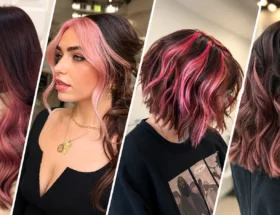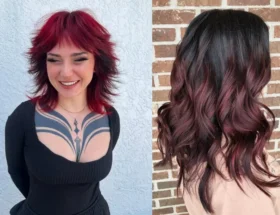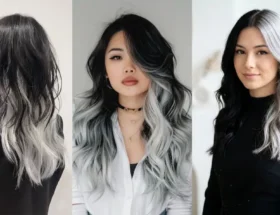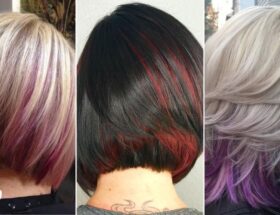

Peekaboo hair offers the best of both worlds: a natural look for the office and a bold reveal for the weekend. But here is the catch: to get those bright fashion colors, the underlayer has to be bleached. That makes it super porous, so it grabs color fast but loses it just as quickly.
Want to keep that peekaboo color from fading? You will need to wash just 2 to 3 times a week with cool water and a sulfate-free, color-safe shampoo. To stop the dyed underlayer from bleeding onto your top layer, clip the top section up and rinse the bottom part separately until the water runs clear. Let’s dive into exactly how to keep your hidden hue vibrant and your hair healthy.
The 5-Step Peekaboo Shower Cheat Sheet
Screenshot this quick guide for your next wash day:
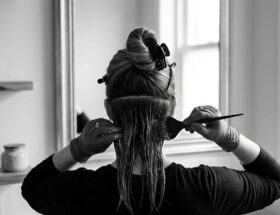
- Section first: Clip the top layer of your hair tightly up and away from the dyed underlayer.
- Rinse the underlayer: Lean forward and let cool water run only through the bottom dyed section.
- Shampoo the roots: Wash the underlayer first, then let the top down and wash your scalp.
- Condition: Apply conditioner, focusing on the bleached ends.
- Cold final rinse: Turn the water as cold as you can stand it to seal the cuticle and lock in the color.
How to Wash Peekaboo Hair Without Fading the Color
Standard washing routines will destroy your dye job in days. You will need to switch up your usual routine, starting with when you wash, the temperature of the water, and how you physically handle your hair.
The 48 to 72 Hour Rule
Wait at least 48 to 72 hours after your dye job before your first wash. Vivid dyes need time to fully settle into the hair cuticle. Jumping in the shower too soon will cause a ton of color bleeding and instantly dull your fresh peekaboo shade.
Do not panic during your first wash. It is completely normal to see colored water running down the drain for the first few washes. Because vivid dyes basically stain the outer layer of the hair, some excess pigment will naturally rinse out. This does not mean your hair is ruined. Keeping the top layer clipped up will protect it from this normal bleeding.
The Cold Water Rule
Hot water lifts the hair cuticle, letting dye slip right out, especially in bleached hair that is highly porous. Stick to cool to lukewarm water. The most important step is your final rinse: turn the water as cold as you can tolerate to seal the cuticle, lock in that color, and add a boost of shine.
You do not have to freeze your whole body to do this. Take your normal warm shower, but when it is time to wet, lather, and rinse your hair, simply angle your head under the cooler water while keeping your body out of the direct stream.

Beware of Hard Water
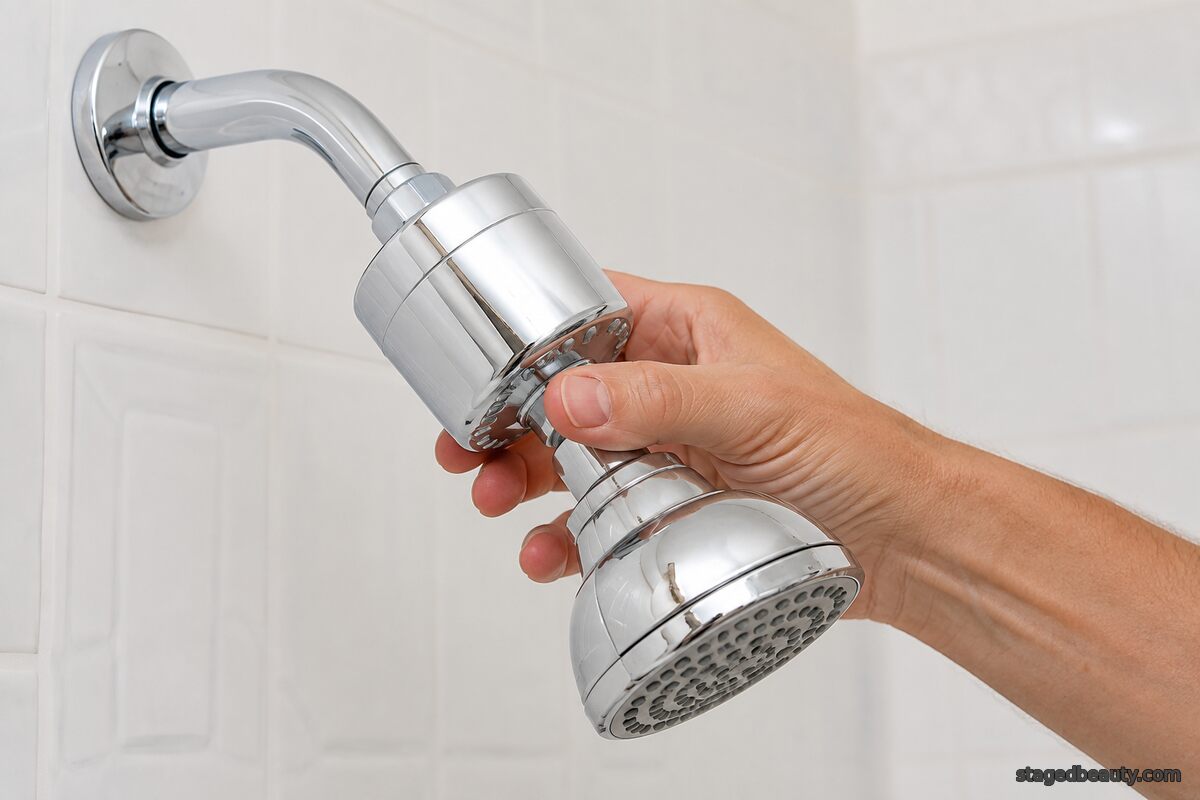
Hard water is packed with minerals like calcium and magnesium that attach to color-treated hair, making it fade and turn brassy much faster. If you live in an area with hard water, even the best sulfate-free shampoo will not save your color. Your best bet is to install a shower filter to strip out those minerals before they ruin your dye job.
Smart Shampoo Selection
Most traditional shampoos contain sulfates, which are harsh detergents that strip vivid color right out of your hair. Swap them for color-safe hair products that are sulfate-free. Great options include L’Oreal Paris EverPure Moisture Shampoo, Biolage ColorLast, or Redken Color Extend Magnetics. When you shampoo, focus only on your scalp. The suds running down the lengths are plenty to clean them without causing unnecessary color stripping.

Handling Product Build-Up
Using co-washes, dry shampoos, and depositing conditioners can lead to heavy build-up that dulls your color over time. Since you want to avoid harsh clarifying shampoos that strip color, you need another way to remove this gunk. Once a month, use a color-safe chelating shampoo or do an apple cider vinegar rinse to gently clear away mineral and product build-up without ruining your peekaboo dye.
Wash Less Frequently
Try to stretch your washes to just two to three times a week. On your off days, use a good dry shampoo to soak up root oil, or try co-washing with a cleansing conditioner to gently clean your scalp without harsh detergents.
How to Prevent Peekaboo Color Bleeding in the Shower
The scariest part of having peekaboo hair is worrying the vivid underlayer will bleed onto your lighter top layer in the shower. Because vivid dyes do not penetrate deeply into the hair shaft, they stain the outer layer and run easily when wet.
The Sectioning Method
You cannot simply pile all your hair on top of your head. Follow these steps to keep your layers separated:
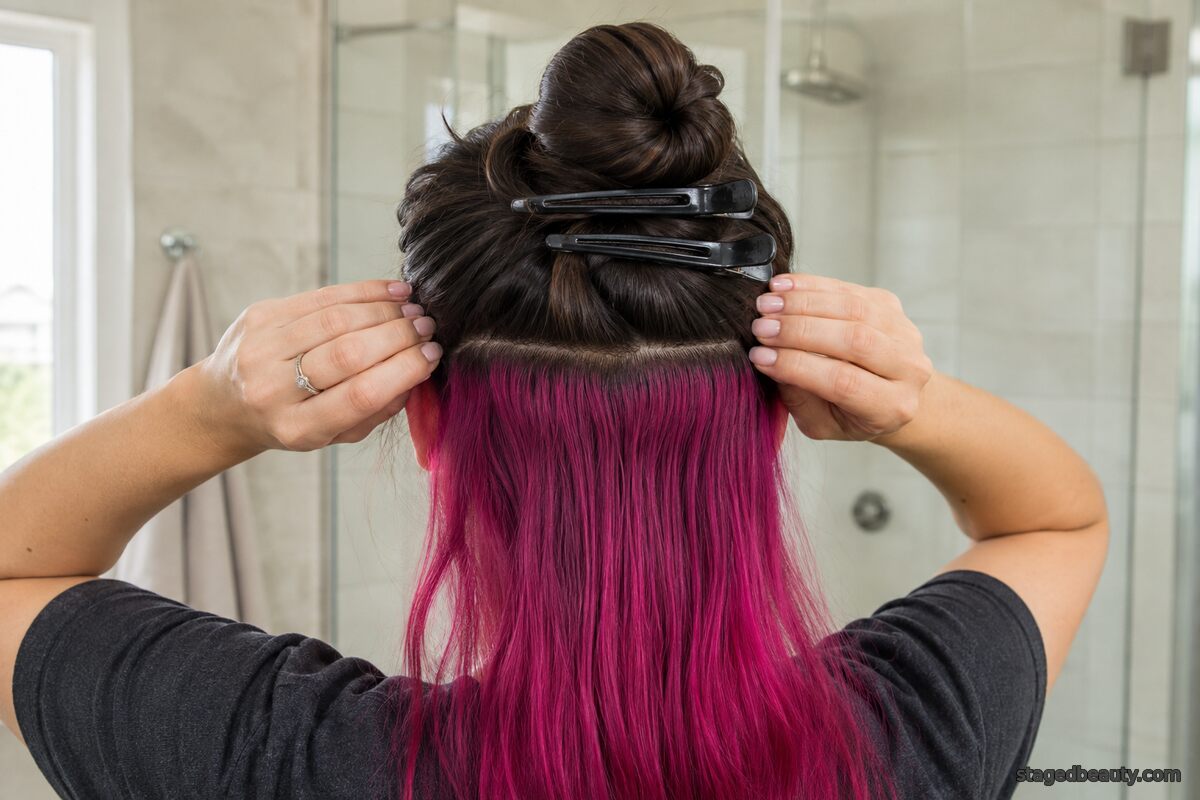
- Before water touches your hair, part it horizontally from ear to ear.
- Twist the top layer into a bun and clip it tightly against your head using sectioning clips. Do not use a loose ponytail, as wet hair will slip and drip.
- Lean forward in the shower and let water run only through the bottom dyed section.
- Apply shampoo and rinse the underlayer first. Keep rinsing until the water runs completely clear.
- Only after the underlayer is clean and the runoff is clear should you let the top layer down to wash it. This simple physical barrier prevents most transfer staining.
Gentle Drying Techniques
How you treat your wet hair matters just as much as how you wash it. Rough towel drying roughs up the hair cuticle and lets color escape. Swap your regular terrycloth towel for a microfiber towel or an old cotton t-shirt. Gently squeeze or blot the excess water out instead of rubbing it. Let your hair air dry whenever you can. If you have to use a blow dryer, stick to the cool or low heat setting to keep the cuticle sealed and stop the color from evaporating.

Your Quick-Reference Maintenance Guide
- Wash Frequency: Wash 2 to 3 times per week. Avoid daily shampooing. Use dry shampoo or cleansing conditioner on off days.
- Water Temperature: Use cool to lukewarm water with a cold final rinse. Avoid hot, steamy showers.
- Shampoo Selection: Use sulfate-free, color-safe, pH-balanced formulas. Avoid clarifying or dandruff shampoos. Recommended: L’Oreal EverPure, Biolage ColorLast.
- Washing Technique: Clip the top layer up and rinse the underlayer first until clear. Avoid piling all hair together and scrubbing.
- Drying: Use microfiber or cotton t-shirts to blot water. Avoid aggressive rubbing with terrycloth towels.
- Conditioning: Concentrate masks on the bleached underlayer. Avoid heavy silicones that block color deposit. Use bond-building masks and deep conditioners.
- Heat Styling: Apply heat protectant and use tools under 356 degrees Fahrenheit. Avoid flat-ironing unprotected damp hair. Use heat protectant sprays and creams.
- Color Refreshing: Use a depositing conditioner every 1 to 2 weeks. Avoid re-bleaching or using permanent dye to refresh. Recommended: Arctic Fox, Overtone, Keracolor.
How to Care for Bleached Peekaboo Hair
To get vivid colors on dark hair, the underlayer has to be bleached to a pale yellow state. This causes bleach damage and really compromises the hair’s structural integrity. You essentially end up with two different textures on one head, which means you need customized care.
Bond Builders Are Non-Negotiable
Regular conditioner just will not cut it for a bleached underlayer. You need a bond-building treatment to repair those broken disulfide bonds. Olaplex No. 3 Hair Perfector rebuilds the internal structure of your hair weekly. K18 Leave-In Molecular Repair Mask uses bioactive peptides to bind to damaged keratin proteins, restoring strength and bounce. Apply these strictly to the underlayer to stop breakage in its tracks.

🛑 STOP: SEE A PROFESSIONAL If your bleached underlayer is showing severe breakage, snapping, or extreme elasticity loss, stop all chemical treatments at home immediately. Deep conditioners and bond builders can only do so much when the hair’s structure is severely compromised. Book an appointment with a professional stylist for a tailored recovery plan before you cause further damage.
Weekly Deep Conditioning
Use a weekly color-depositing hair mask or a deep-conditioning mask packed with keratin, shea butter, or coconut oil. Slather it on the underlayer, comb it through, and leave it on for the recommended time. Hydrated hair holds color much better because a smooth, closed cuticle traps those dye molecules inside.
Handling the Grow-Out Phase
When your natural hair starts growing out at the roots on the top layer, it can create a harsh line against your dyed underlayer. Do not stress. You can easily blend your natural roots into the top section using a root touch-up spray or powder. This stretches the time between salon visits and keeps the contrast looking intentional rather than messy.
How to Refresh Faded Peekaboo Hair Color at Home
Even with the best care, vivid fashion colors will eventually fade. Instead of rushing back to the salon, you can easily refresh your color at home with a depositing conditioner.
Knowing Your Color Timeline
Knowing your color’s lifespan helps you plan for salon visits. With this routine, expect reds and pinks to need a full salon touch-up or deep refresh every 2 to 3 weeks. Blues and purples are more stubborn and can last 4 to 6 weeks before needing a professional redo.
DIY Color-Depositing Conditioner
Making your own color-depositing conditioner is cost-effective and lets you control the intensity.
⚠️ SAFETY FIRST: Always do a patch test 24 hours before applying any new semi-permanent dye. Even if you have used the brand before, formulas can change. Put a small amount of the dye mixture behind your ear or on your inner arm to check for allergic reactions before putting it on your whole head.
Ingredients:
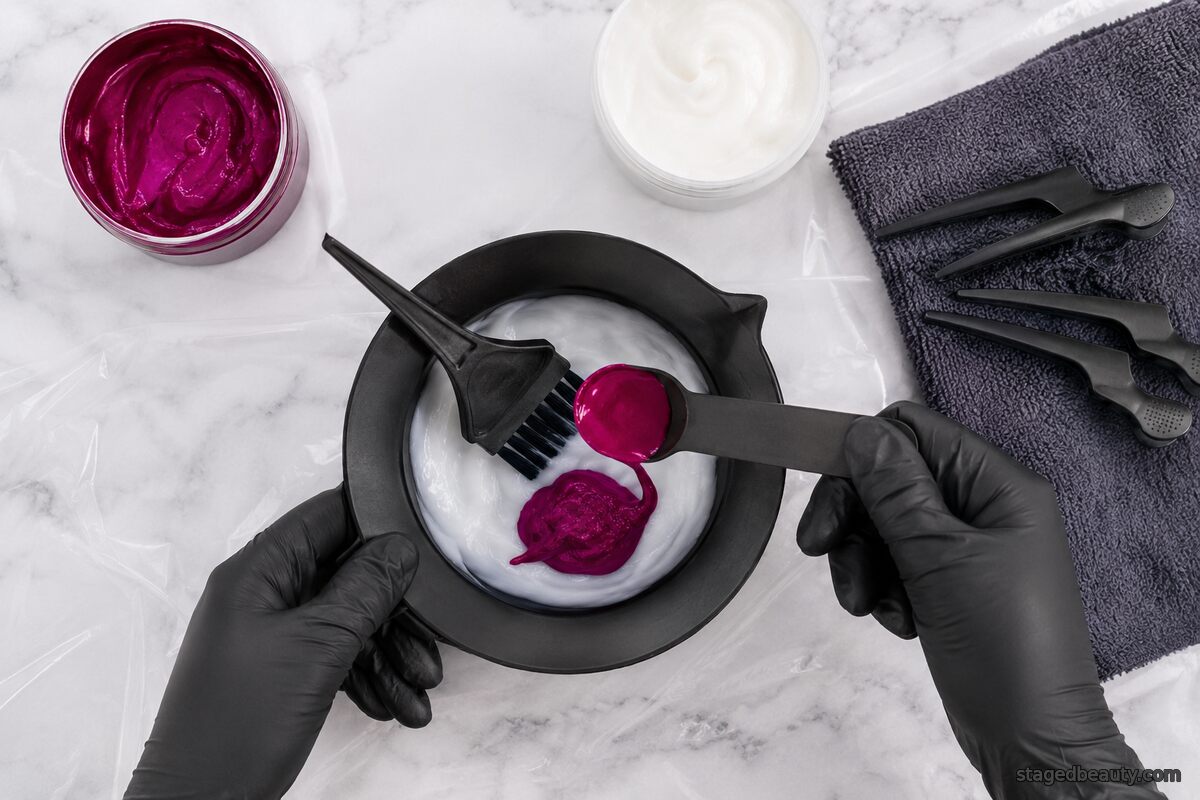
- 1 cup of color-safe conditioner
- 1 tablespoon of semi-permanent hair dye (e.g., Arctic Fox, Manic Panic)
Instructions:
- Mix the semi-permanent dye into your conditioner thoroughly.
- Apply the mixture to damp, freshly washed hair.
- Let it sit for 3 to 5 minutes.
- Rinse thoroughly with cool water.
Pro-Tip for Mess-Free Application: Wear gloves to apply the mixture so your hands do not stain. Be sure to rinse your shower walls immediately after you are done to prevent the dye from staining your grout or tub.
Ready-Made Options
Brands like Overtone, Keracolor Clenditioner, and Maria Nila Color Refresh offer shade-matched options that nourish while depositing color. Use these every other wash to keep your peekaboo shade looking fresh.
Toning Unwanted Hues
If your red starts turning orange, use a pure red depositing conditioner. If your bleached underlayer gets brassy yellow, use a purple shampoo or a diluted purple toner. Just remember to apply toning products only to the bleached sections so you do not dull your natural top layer.
Styling and Environmental Tips to Protect Peekaboo Hair
It is not just the shower you have to worry about. Environmental factors, daily habits, and heat styling are huge culprits when it comes to premature fading.
Heat Styling and Styling Product Ingredients
High heat from flat irons or curling wands opens the cuticle and basically vaporizes the moisture inside your hair, taking the color right along with it. Always apply a heat protectant spray or cream and keep your tools under 356 degrees Fahrenheit. Also, check your hairsprays, gels, and mousses for SD Alcohol 40 or high alcohol content. These ingredients are super drying and will strip your vivid color. Stick to cream-based or alcohol-free styling products instead.

Sweating and Workouts
Sweating produces heat and moisture, which can open the cuticle and cause color bleeding just like hot water does. If you work out, apply dry shampoo to your roots beforehand to absorb some of the sweat. Wear your hair in a loose, high bun to keep the dyed underlayer away from your neck and the top layer. If you sweat heavily, a quick cold water rinse afterward can help seal the cuticle back up.

UV Protection and Swimming
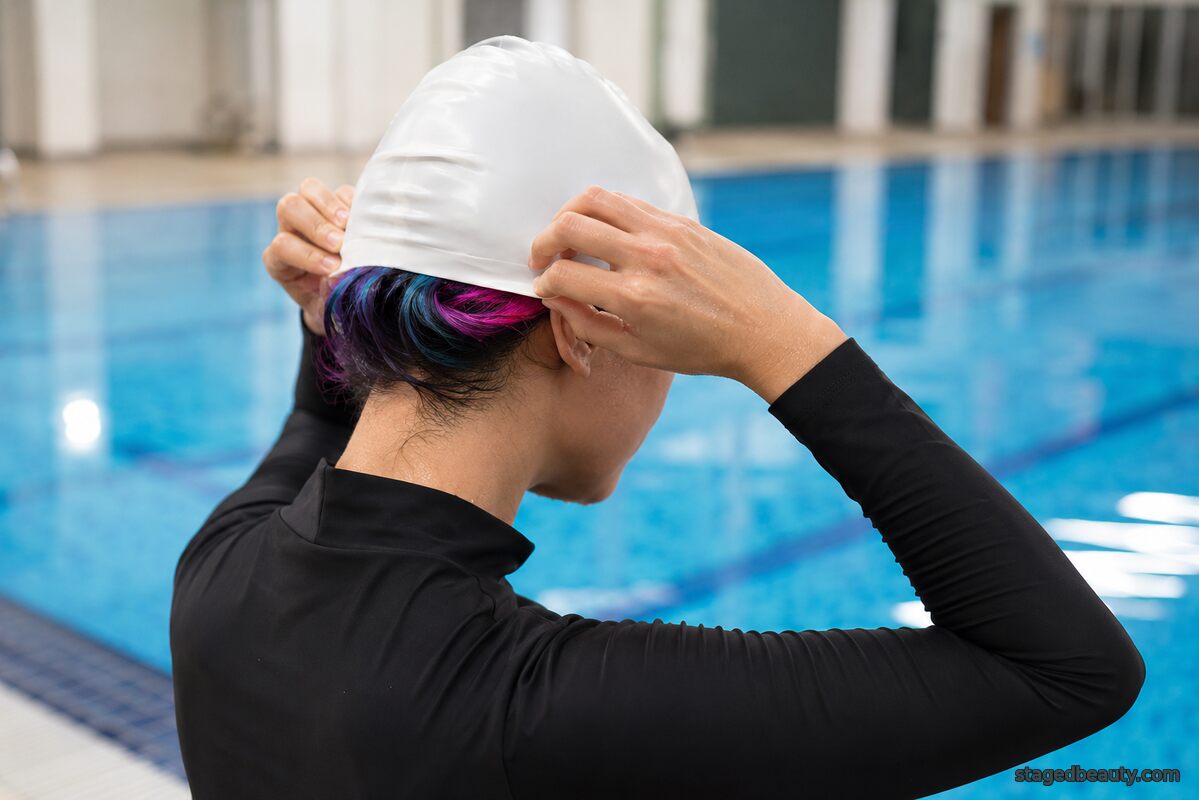
The sun’s UV rays will oxidize and fade your color just like they burn your skin. Use a leave-in conditioner with UV filters or wear a hat outdoors. Chlorine is a disaster for color-treated hair because it strips natural oils and turns vivid colors murky. Always wear a swim cap. If a swim cap is not an option, soak your hair with clean water and apply a heavy conditioner beforehand to create a barrier against the chlorine.
Sleep Habits
Cotton pillowcases create friction that roughs up the cuticle and causes fading while you sleep. Switch to a silk or satin pillowcase to keep the cuticle intact and your color locked in.

Troubleshooting Common Fading Red Flags
Not all colors fade the same way. Knowing the warning signs for your specific shade helps you fix problems before they get worse.
|
Hair Color Issue |
What It Means |
How to Fix It |
|---|---|---|
| Pink and Red Shades | These dyes have the largest color molecules and fade fastest. Red will turn peachy or orange quickly. | Use a red or pink color-depositing conditioner every wash and keep water cold. |
| Purple and Blue Shades | Purple often fades to blue, then teal, then muddy green. Blue leaves a stubborn greenish-yellow tint. | To stop the green drift, use a purple color-depositing conditioner. If green persists, a warm-toned red or pink depositing conditioner applied briefly will neutralize it using color theory. |
| Brassy Bleached Underlayer | Natural oxidation turns bleached underlayers brassy, making vivid colors look muddy. | Use a purple shampoo strictly on the underlayer once a week to keep the base icy and clean. |
Frequently Asked Questions About Peekaboo Hair Maintenance
How often should I wash my peekaboo hair?
Try to limit washing to 2 to 3 times a week to prevent the vivid underlayer from fading. Use a dry shampoo on off days to soak up excess oil at the roots without needing a full wash.
Why is my peekaboo color fading so fast?
Peekaboo color fades fast because the underlayer is often bleached to a high porosity level before dyeing. Hot water, harsh sulfates, hard water, and frequent washing open the hair cuticle and strip the vivid dye molecules right out.
Can I use regular purple shampoo on my peekaboo hair?
Only use purple shampoo on the bleached or blonde sections of your peekaboo hair. Putting it on the colored underlayer will dull the vibrancy of your fashion color and cause unwanted muddy tones.
Figuring out how to maintain peekaboo hair at home without fading the color just comes down to switching up your routine. By sticking to cold water, smart sectioning, sulfate-free products, and regular color refreshes, you can keep your hidden hue vibrant and your hair healthy. Treat that bleached underlayer with the extra care it needs, and you will get to enjoy your bold, dual-tone look for weeks to come.